
DOUBLE MATERIALITY
Dabur’s double materiality approach recognises sustainability issues from two complementary perspectives: how these matters influence business performance (financial materiality) and how the Company’s operations affect the environment and society (impact materiality). This dual-lens approach ensures that our sustainability strategy not only protects and creates business value but also contributes meaningfully to broader social and environmental outcomes. Adopting a Double Materiality Assessment (DMA) is a natural step towards strengthening our sustainability strategy.
Our updated Materiality Assessment process involved a comprehensive evaluation of internal and external stakeholder inputs, industry trends, and emerging ESG risks and opportunities. By integrating both financial and impact perspectives, we prioritised issues that were critical to our long-term value creation and sustainability commitments. This enhanced understanding empowers Dabur to make more informed decisions, strengthen transparency in reporting, and drive shared value for all stakeholders.
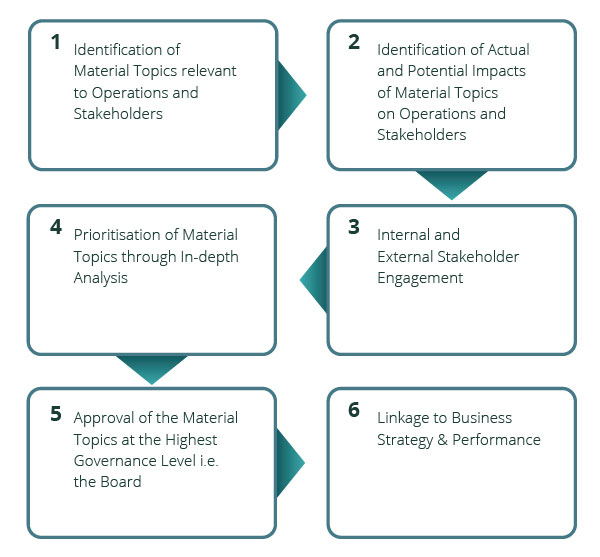
The outcomes of the DMA are operationalised through our internal systems of accountability. Key ESG priorities are linked to the variable compensation structures of senior leadership, thereby reinforcing executional rigour and signalling our long-term commitment to delivering measurable sustainability outcomes.
STAKEHOLDER VOICES GUIDING MATERIAL PRIORITIES
As part of the double materiality assessment conducted this year, we placed a strong emphasis on stakeholder engagement to ensure that our assessment reflects both financial and impact materiality dimensions. Through a structured and inclusive process, we actively sought opportunities to listen, learn, and collaborate with diverse stakeholder groups, ensuring that their voices were heard and their contributions valued. Engagement was carried out through a range of communication channels including interviews, workshops, and direct dialogues.
This approach enabled participative and integrated decision-making, allowing us to map material issues that are most relevant to stakeholders and to our business. By actively involving them in the assessment, we reinforced our commitment to transparency, accountability, and responsible business practices.
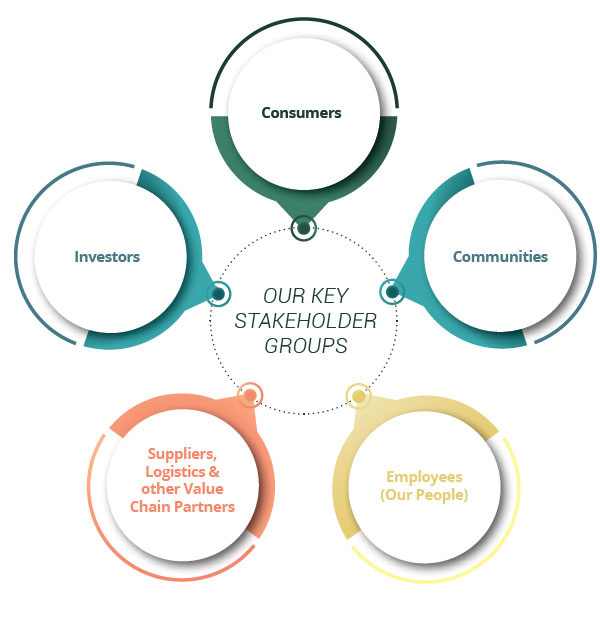
We also regularly engaged with Government & Regulatory Authorities, Industry Associations, and Key Opinion Leaders, whose insights provided further context and relevance to the assessment. By integrating their feedback into our double materiality assessment, we are driving sustainable growth and creating shared value for all.
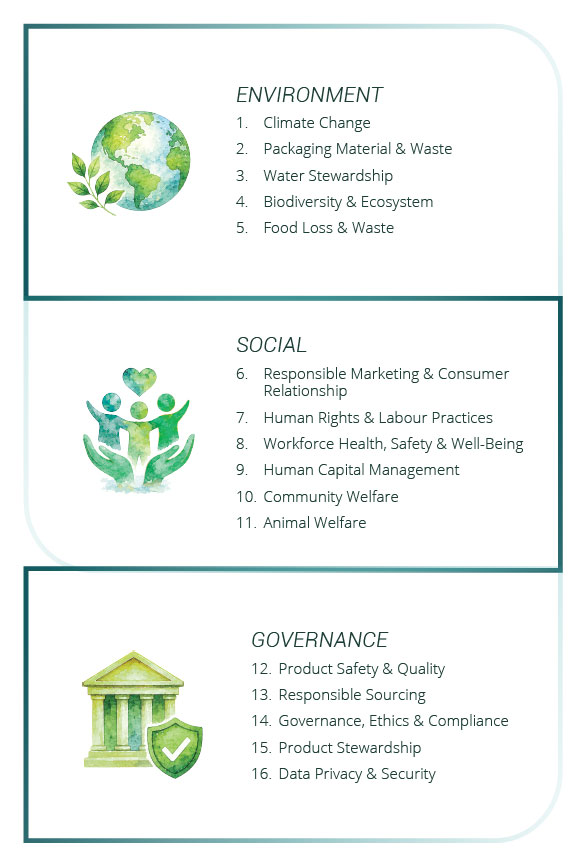
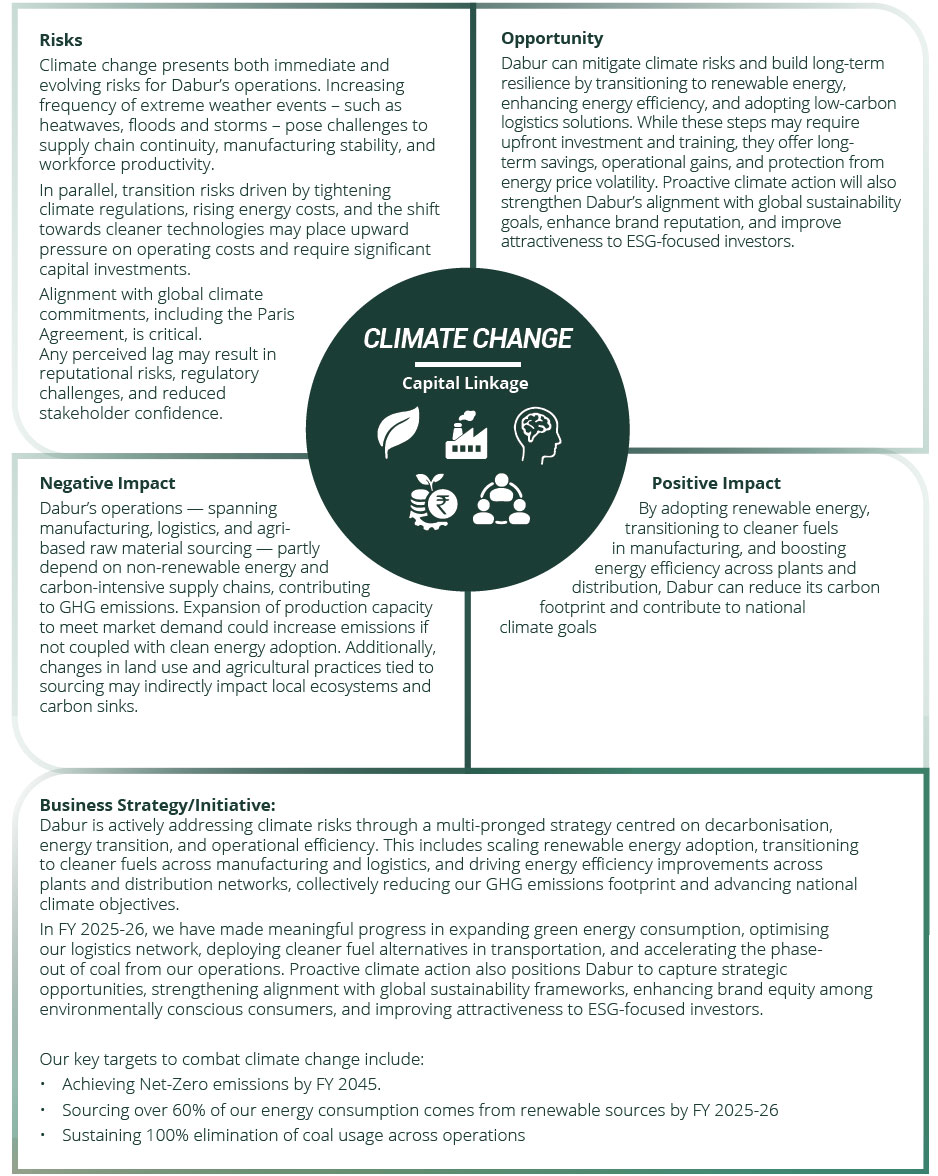
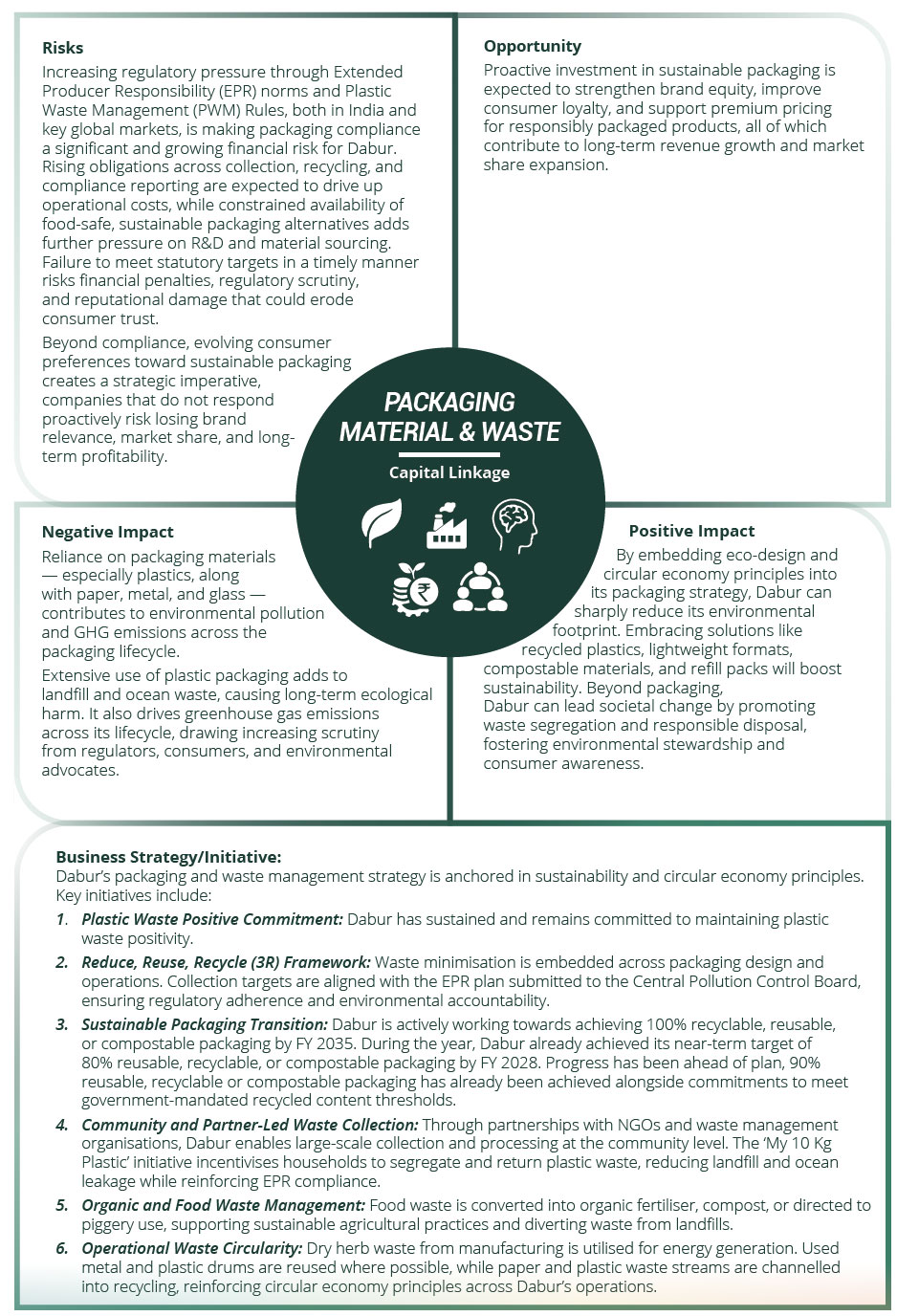
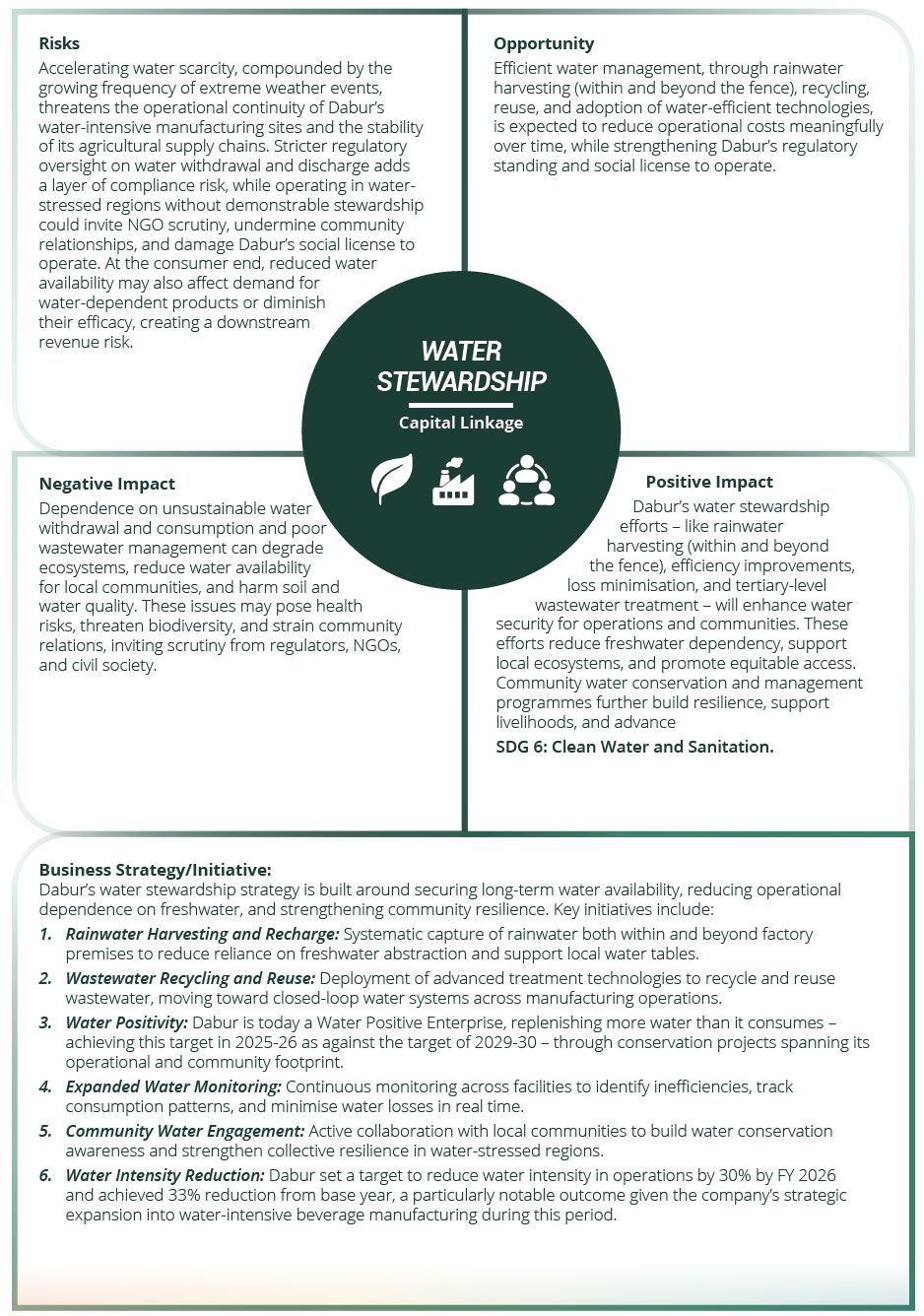
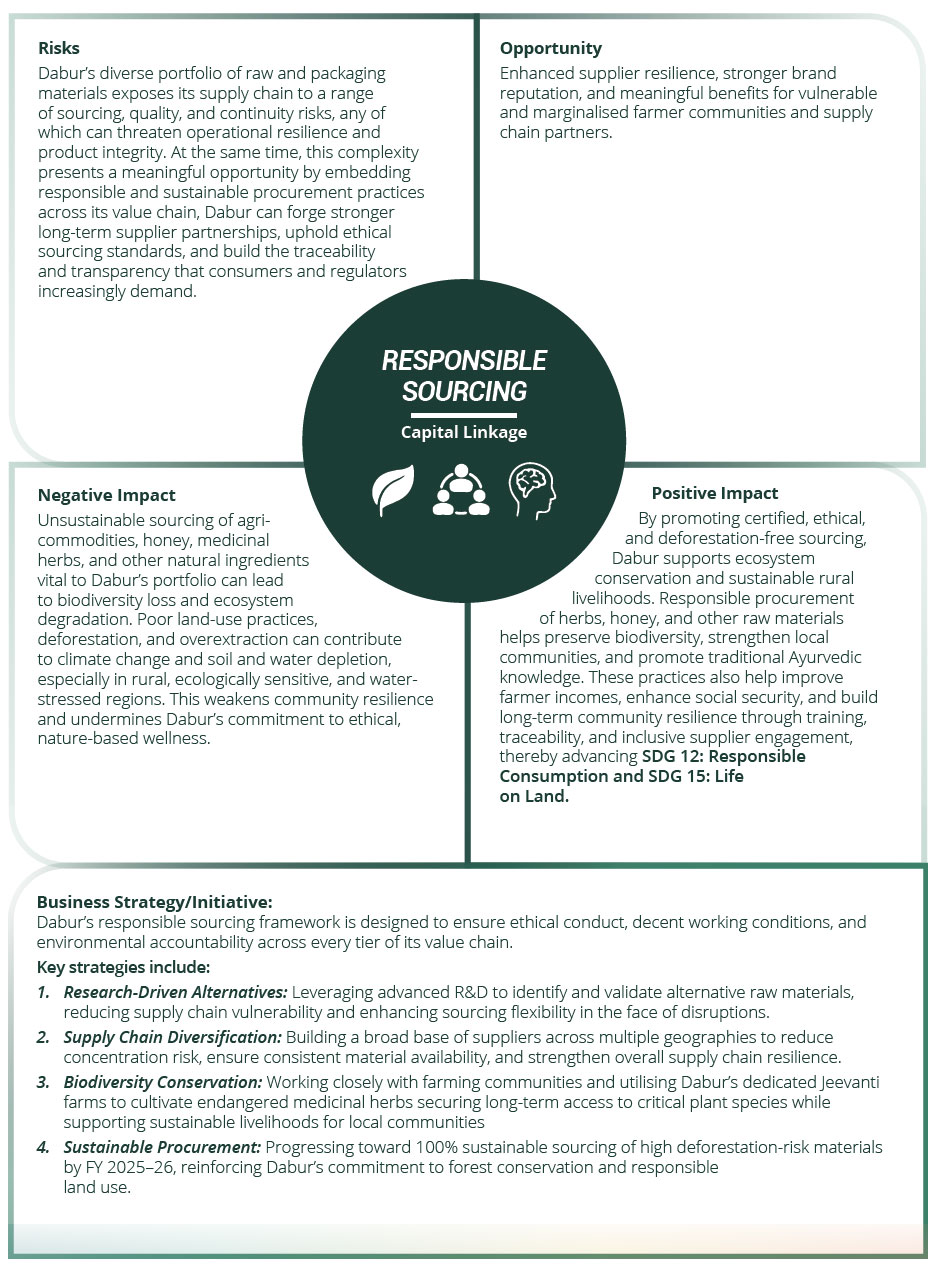
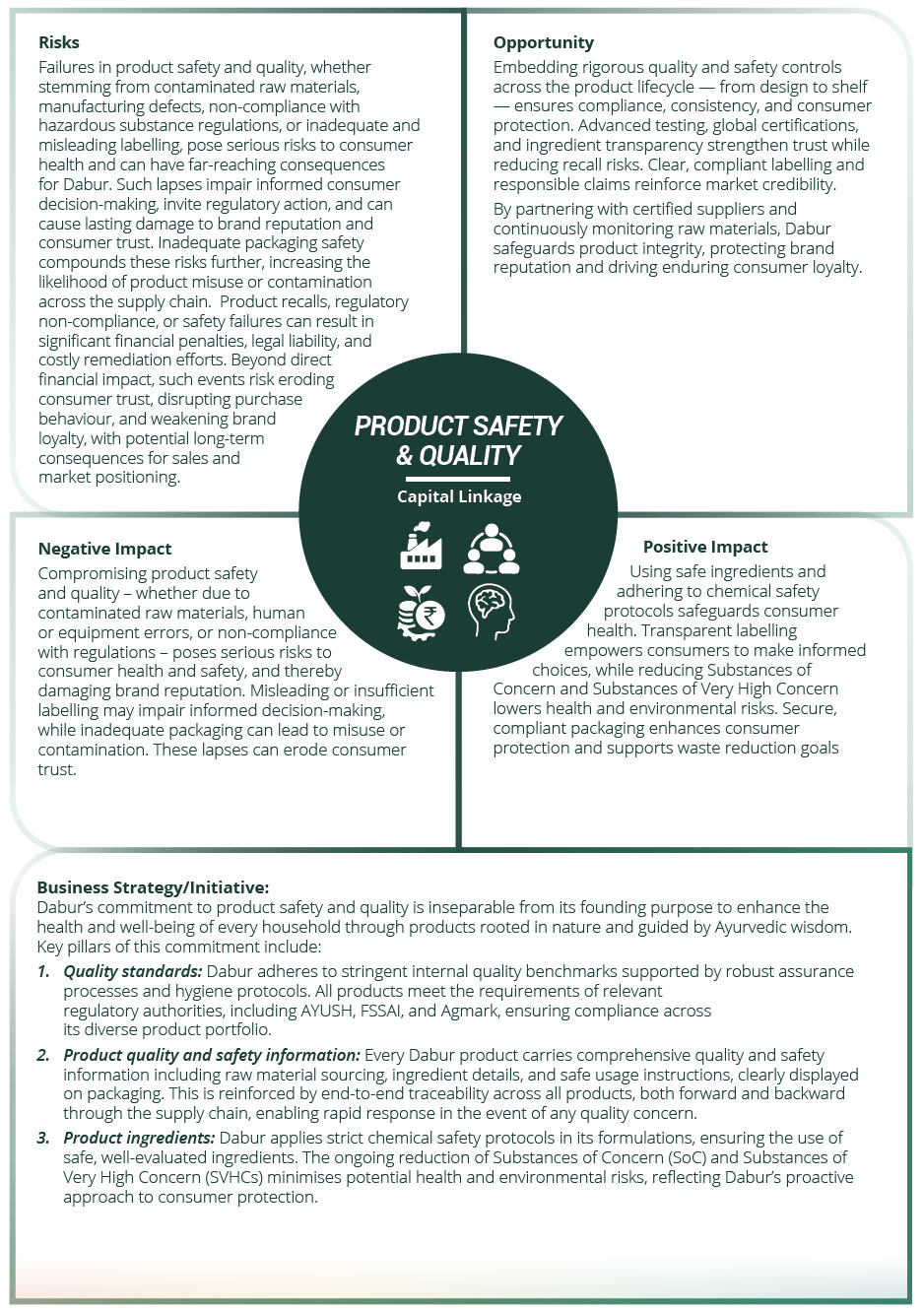
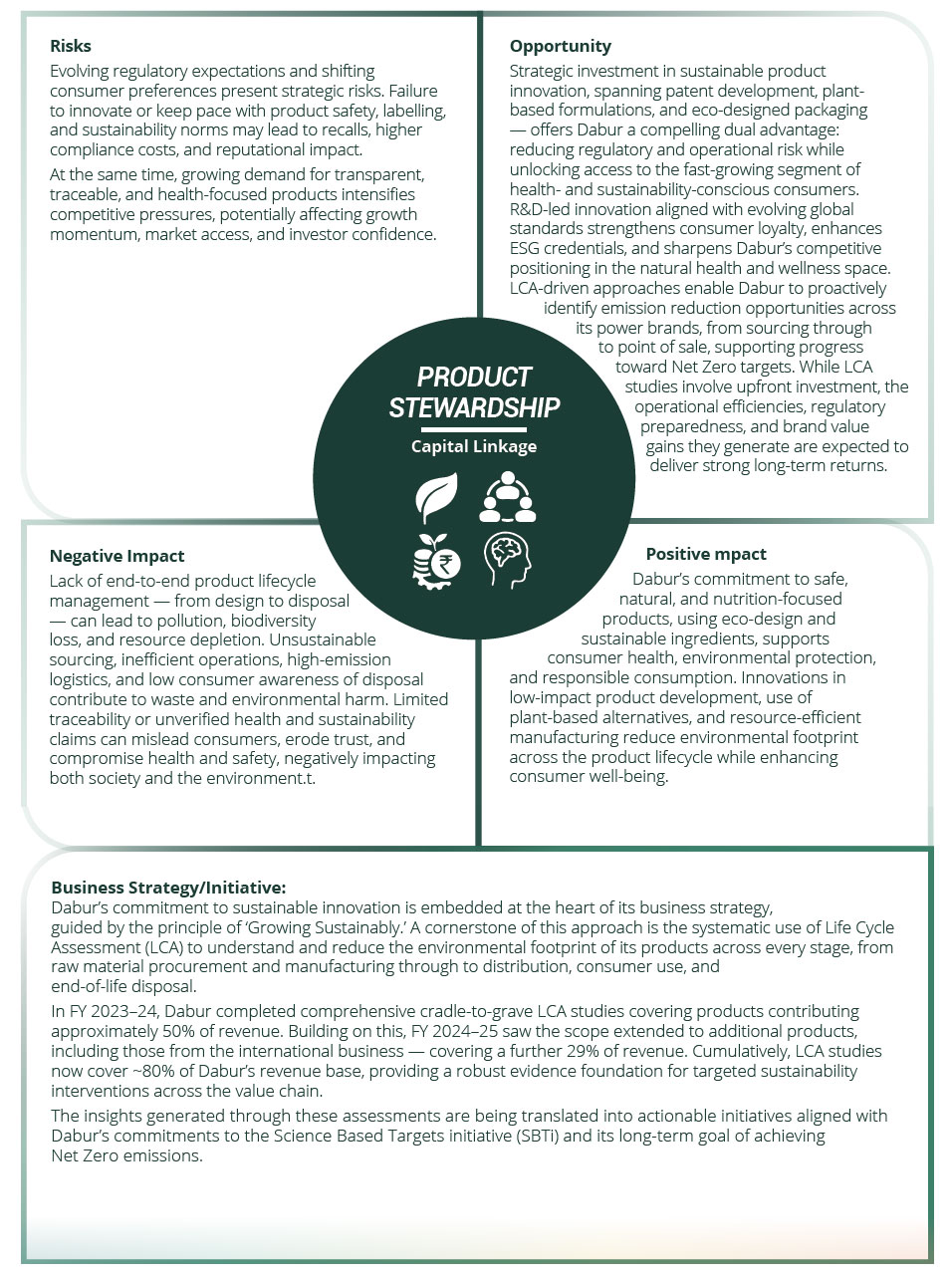
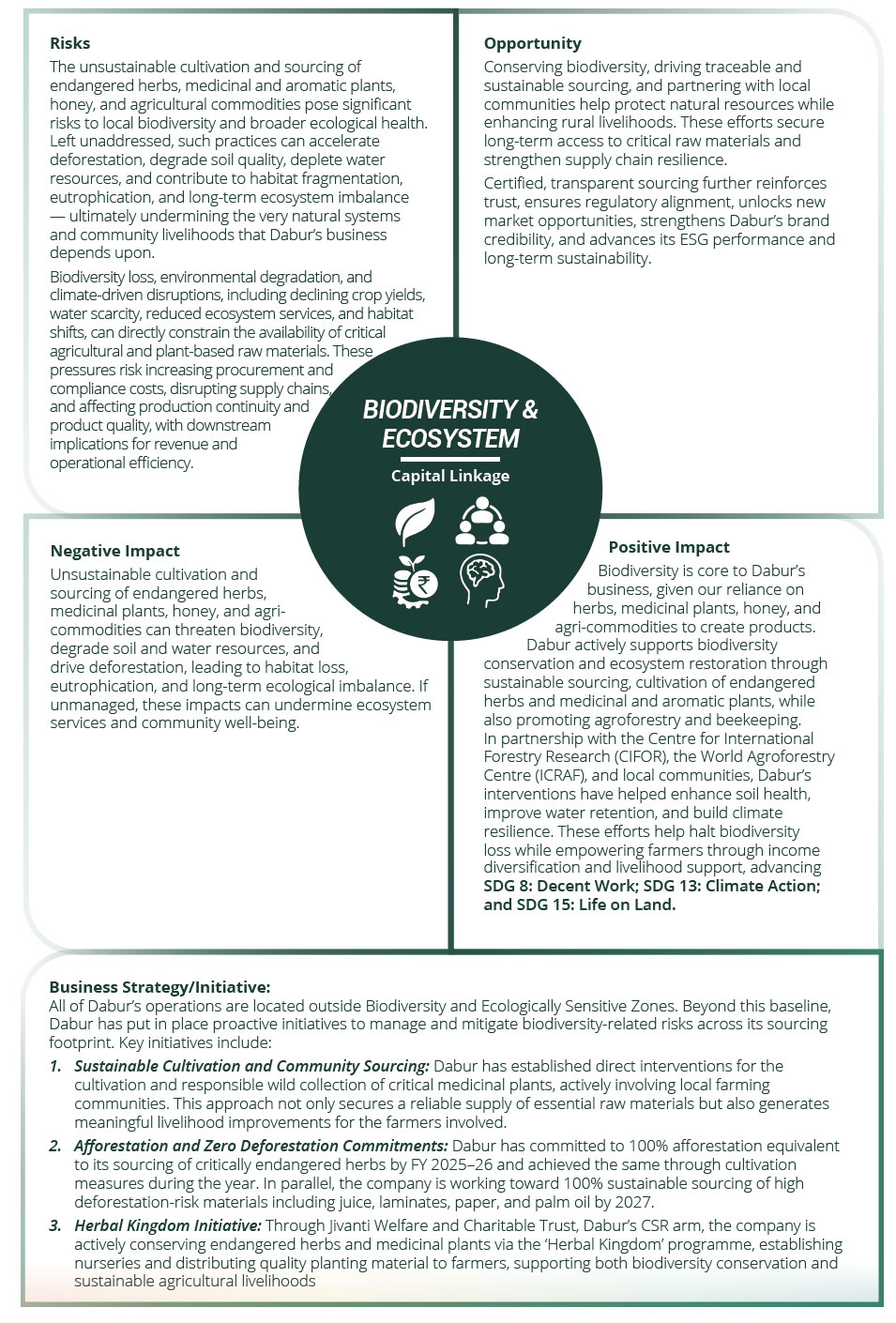
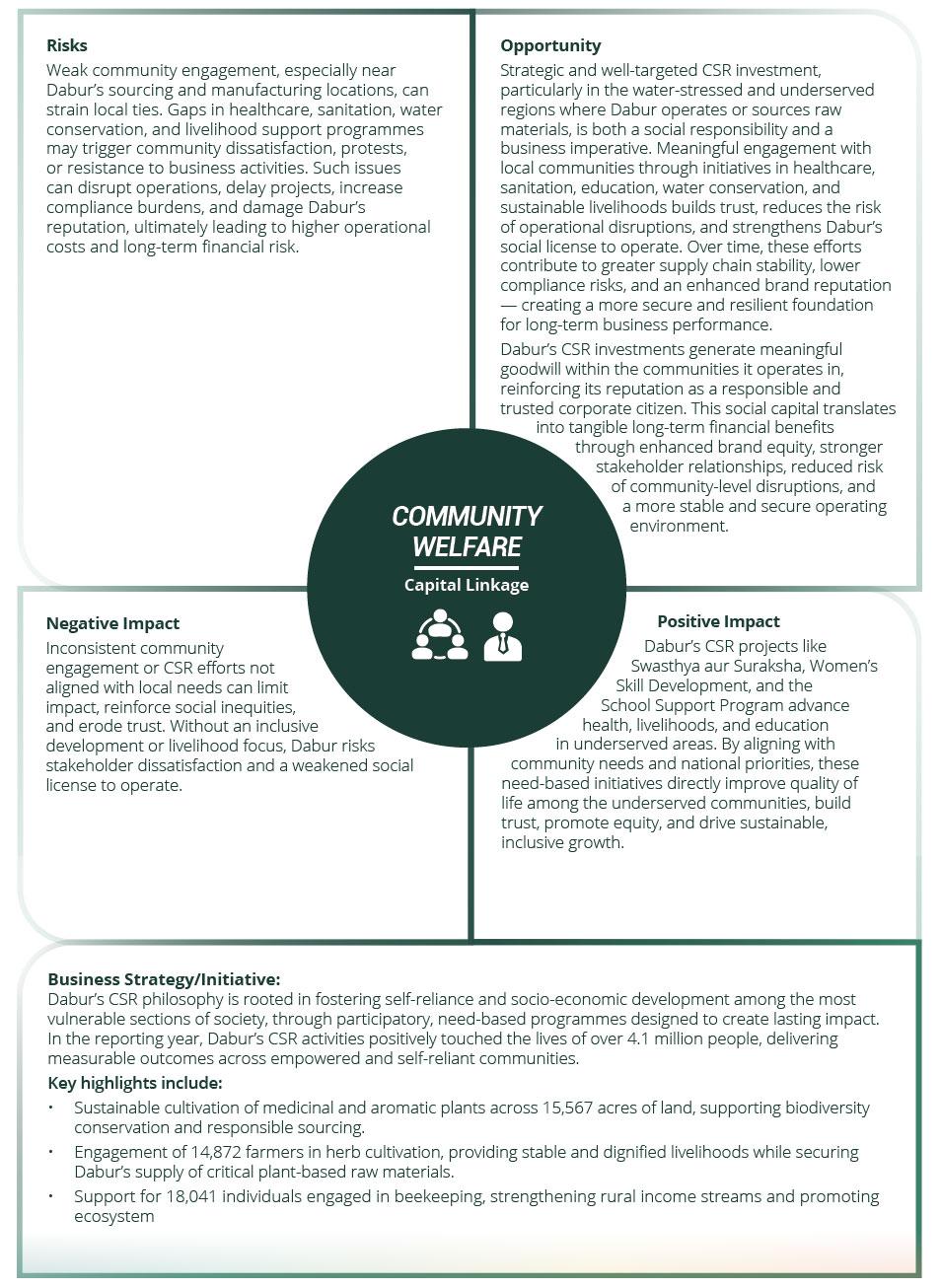
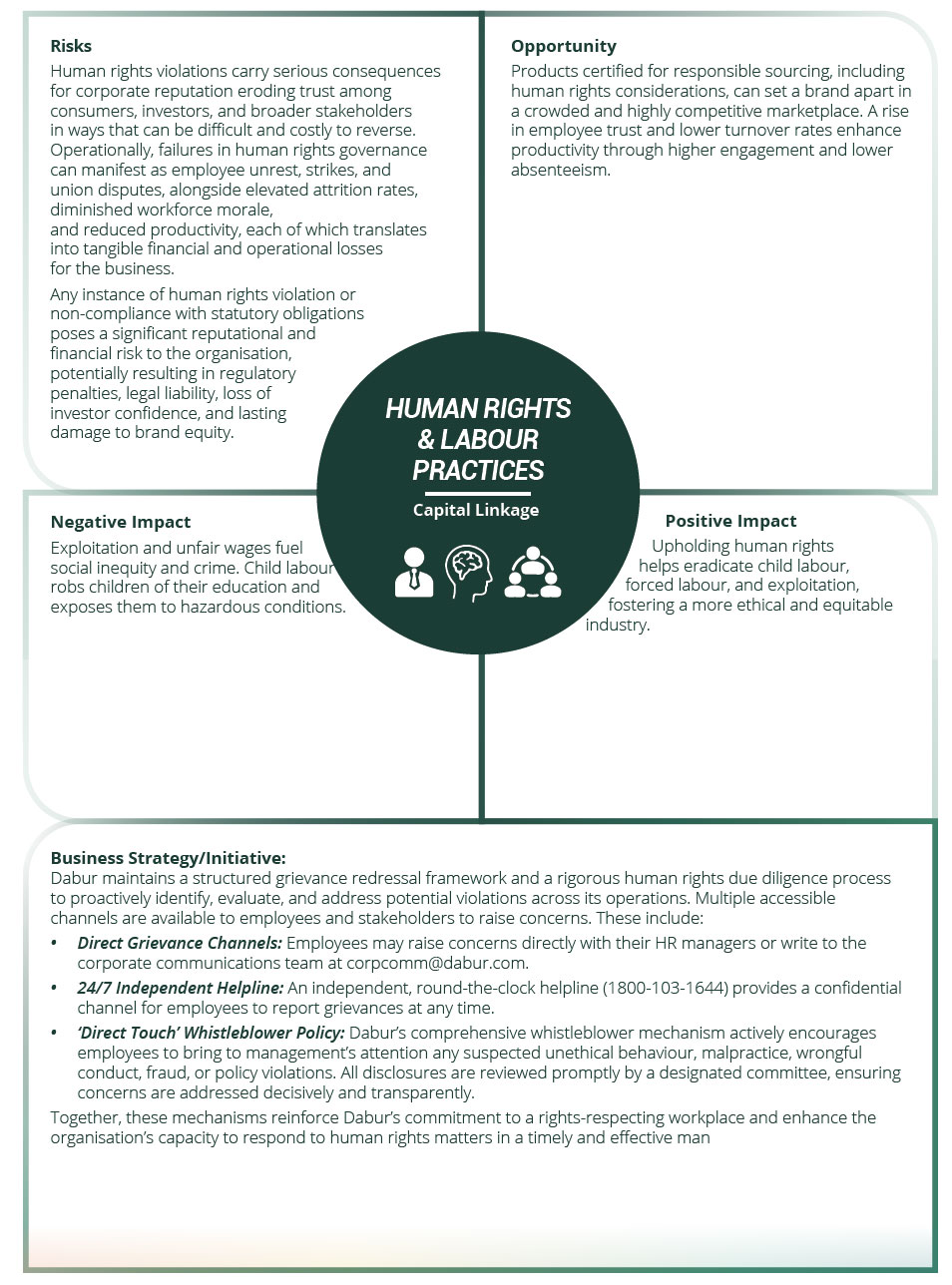
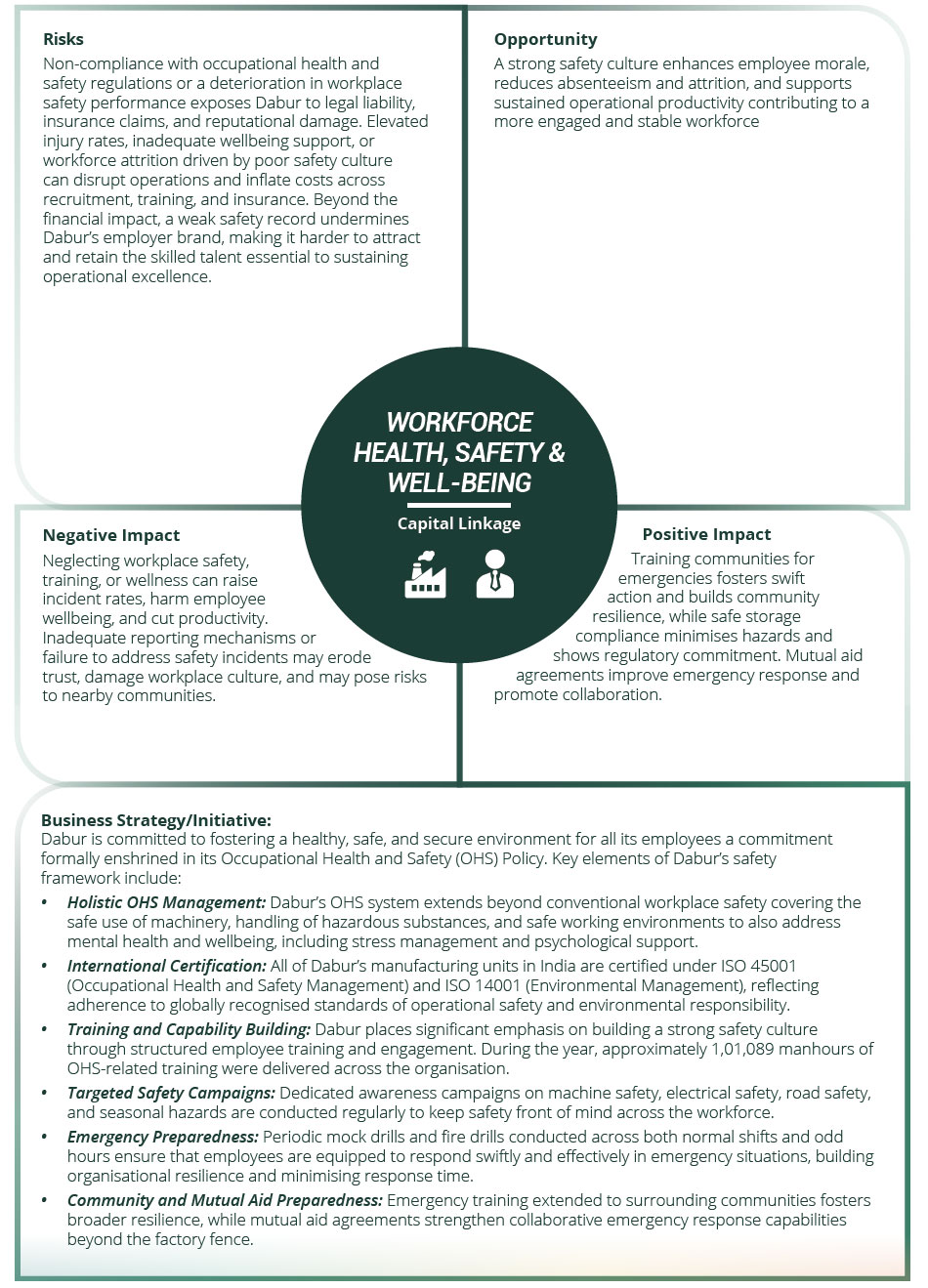
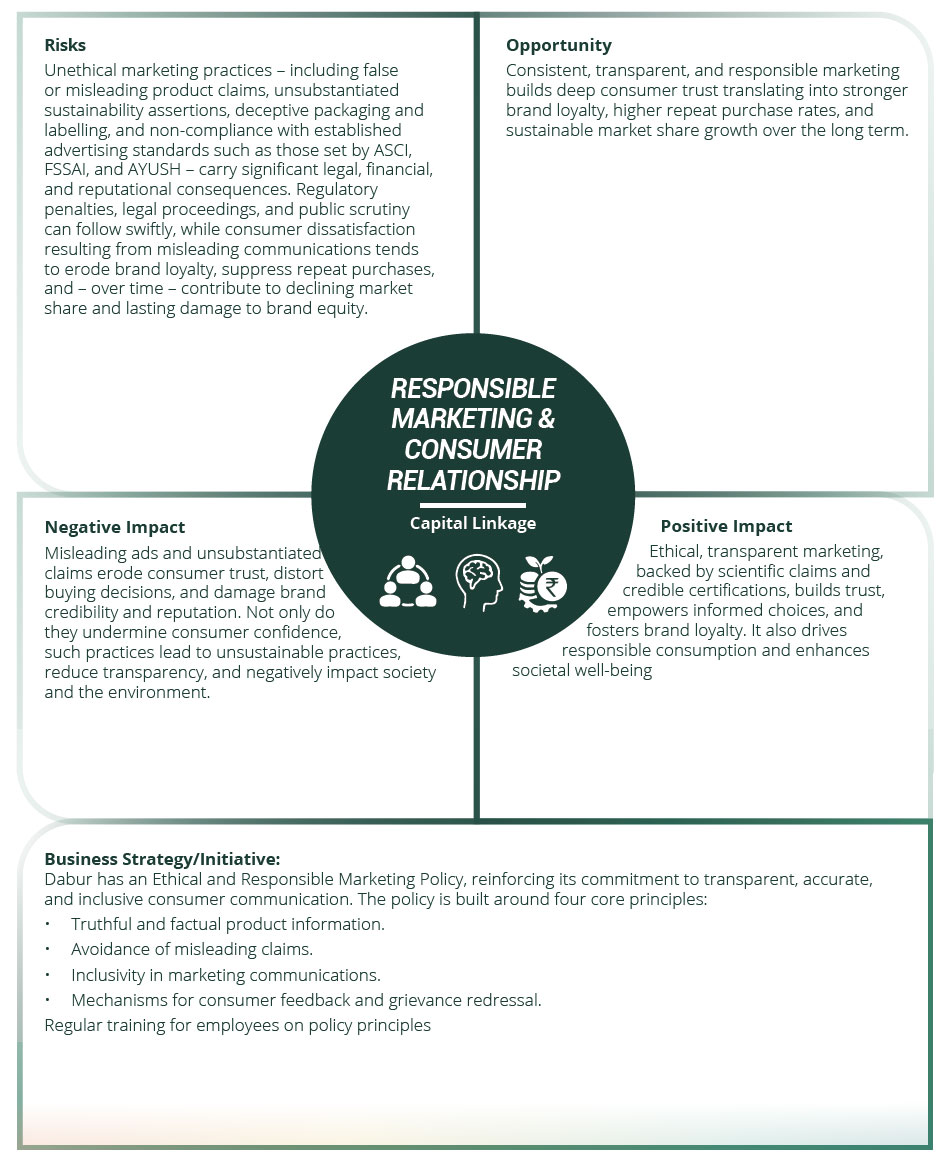
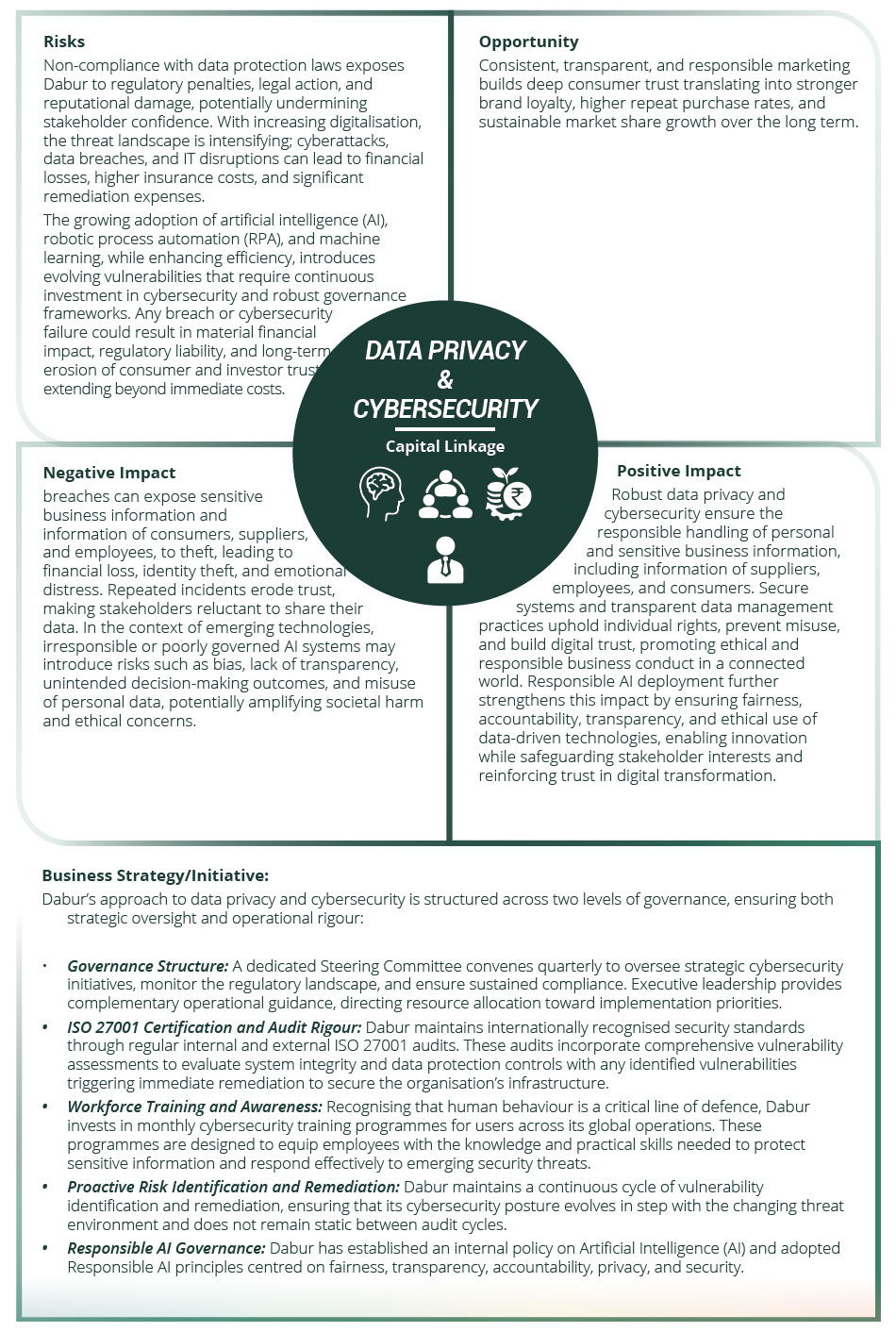
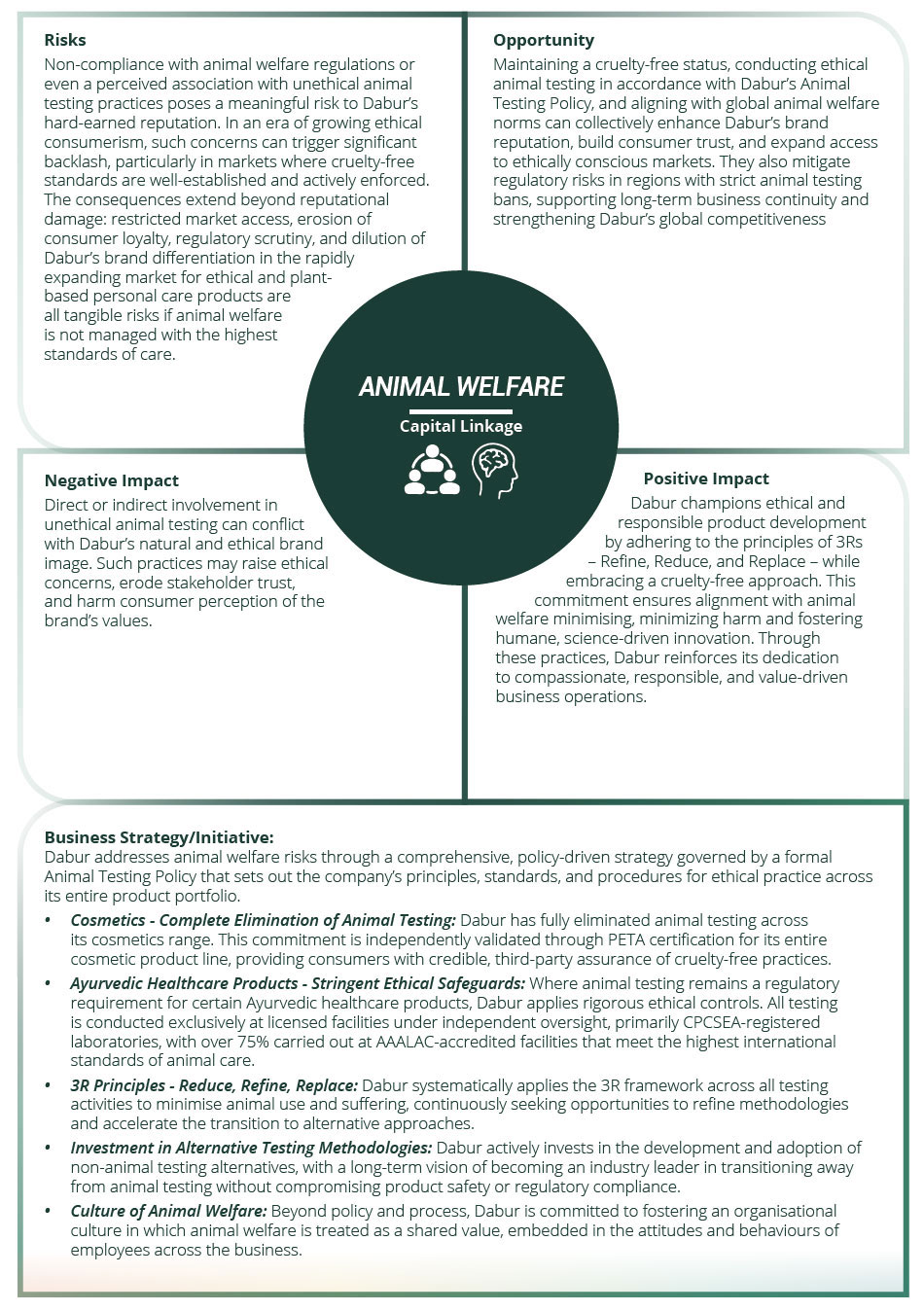
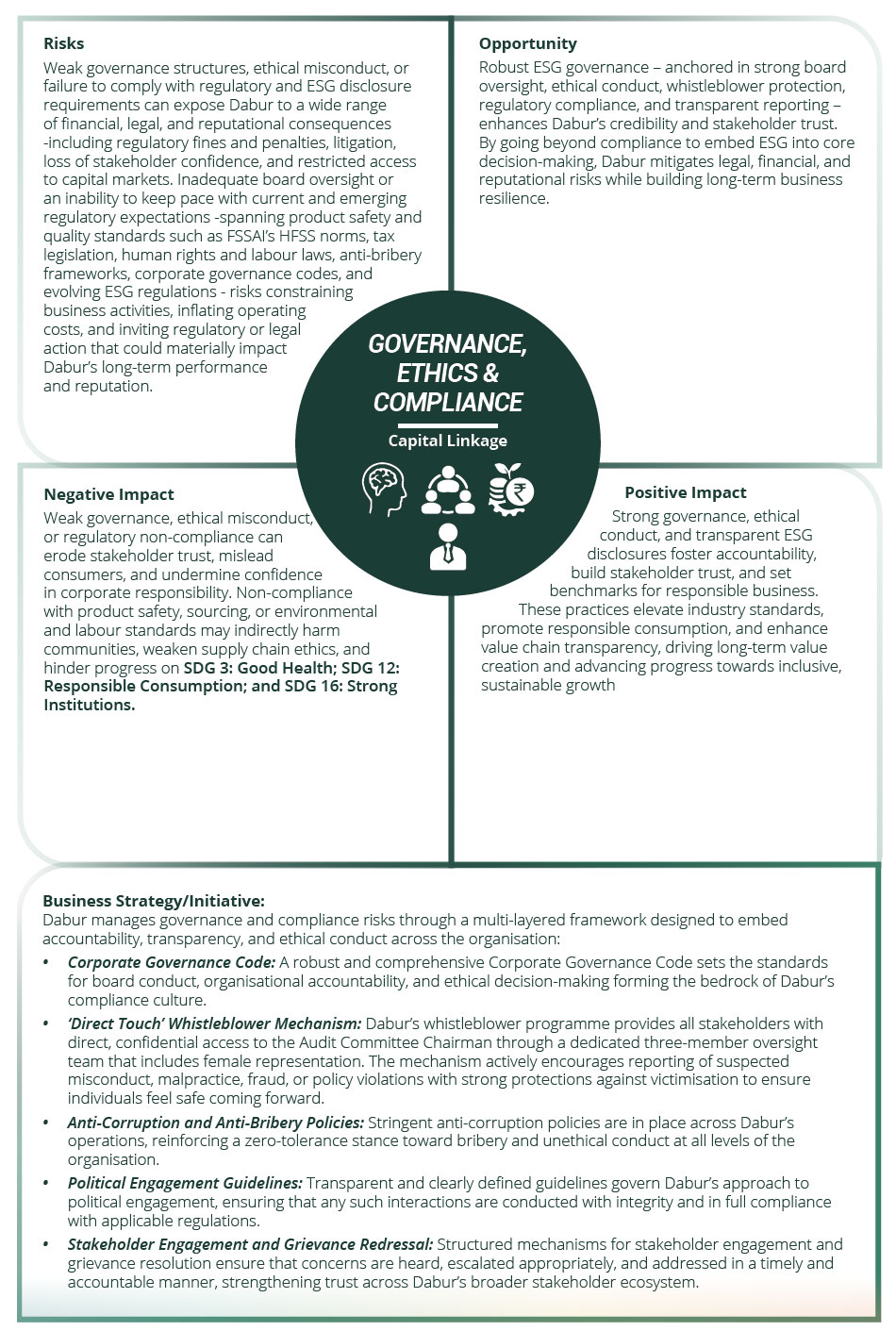
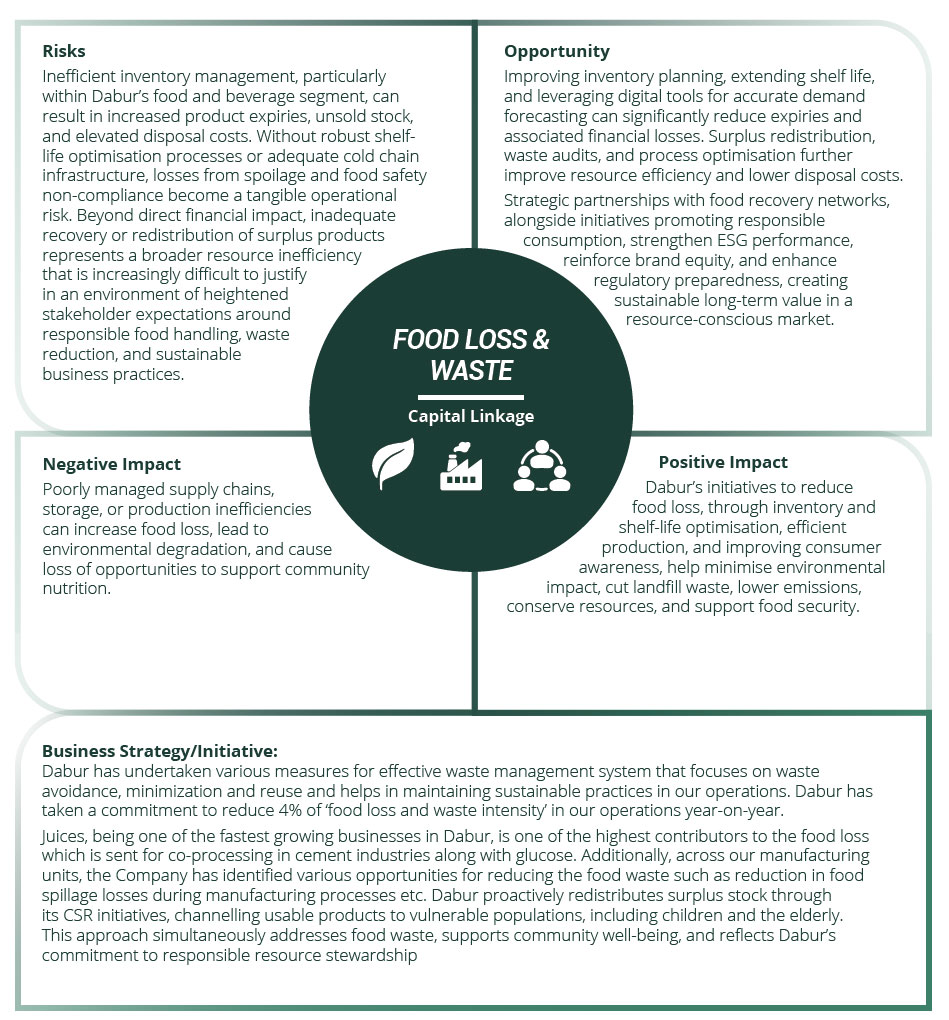
The exercise led to the identification of 16 material topics, which are as follows:
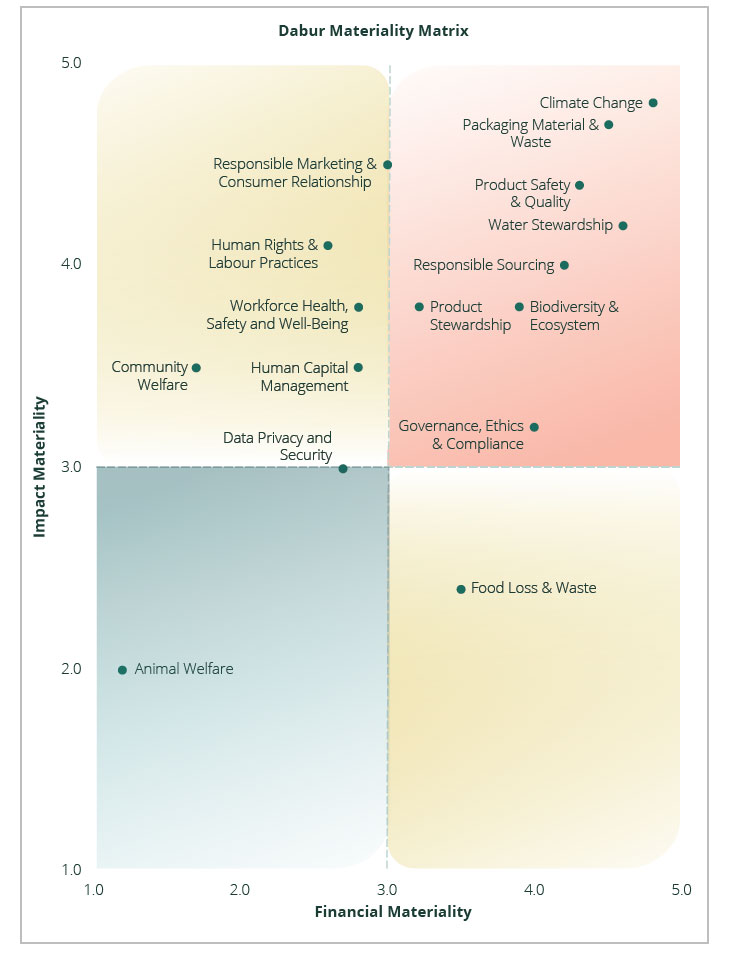
The results of the Double Materiality Assessment have been instrumental in refining our ESG priorities and anchoring them within our broader business strategy. The matrix below presents the 16 material topics, mapped across the dimensions of financial and impact materiality to guide focused and accountable action.
 Annual Report 2025-26