
NATURAL CAPITAL
Rooted in Nature, Built for the Future
Nature has always been central to Dabur’s story. And today, it is equally central to how we think about long-term value creation. As a company rooted in nature-based products, we recognise that protecting Natural Capital is not just an environmental responsibility, but a business imperative. Our approach focuses on using resources thoughtfully, reducing our environmental footprint, and building resilience into our operations as we grow.
Climate and energy action form a key pillar of this journey. Guided by our long-term ambition to achieve Net Zero Emissions by 2045, we are steadily improving energy efficiency and increasing the use of renewable energy across our manufacturing sites and offices. These initiatives help lower operational risk, improve cost efficiency over time, and strengthen the sustainability of our supply chain, supporting both environmental outcomes and long-term shareholder value.
Water stewardship is another area where our commitment is deeply practical. We operate with the understanding that water security is critical for communities as well as for business continuity. Our efforts focus on reducing freshwater consumption, increasing reuse and recycling, and creating positive water impact beyond our factories’ boundaries. By combining operational discipline with community-linked conservation initiatives, we aim to ensure that our growth remains resilient even in water-stressed regions.
Across all our operations, greening the way we manufacture also means making responsible choices - from where we locate our facilities to how we manage biodiversity and natural resources. By embedding environmental considerations into everyday decision-making, we are working to ensure that sustainability is not an add-on, but an integral part of how Dabur operates, competes and creates value over the long term.
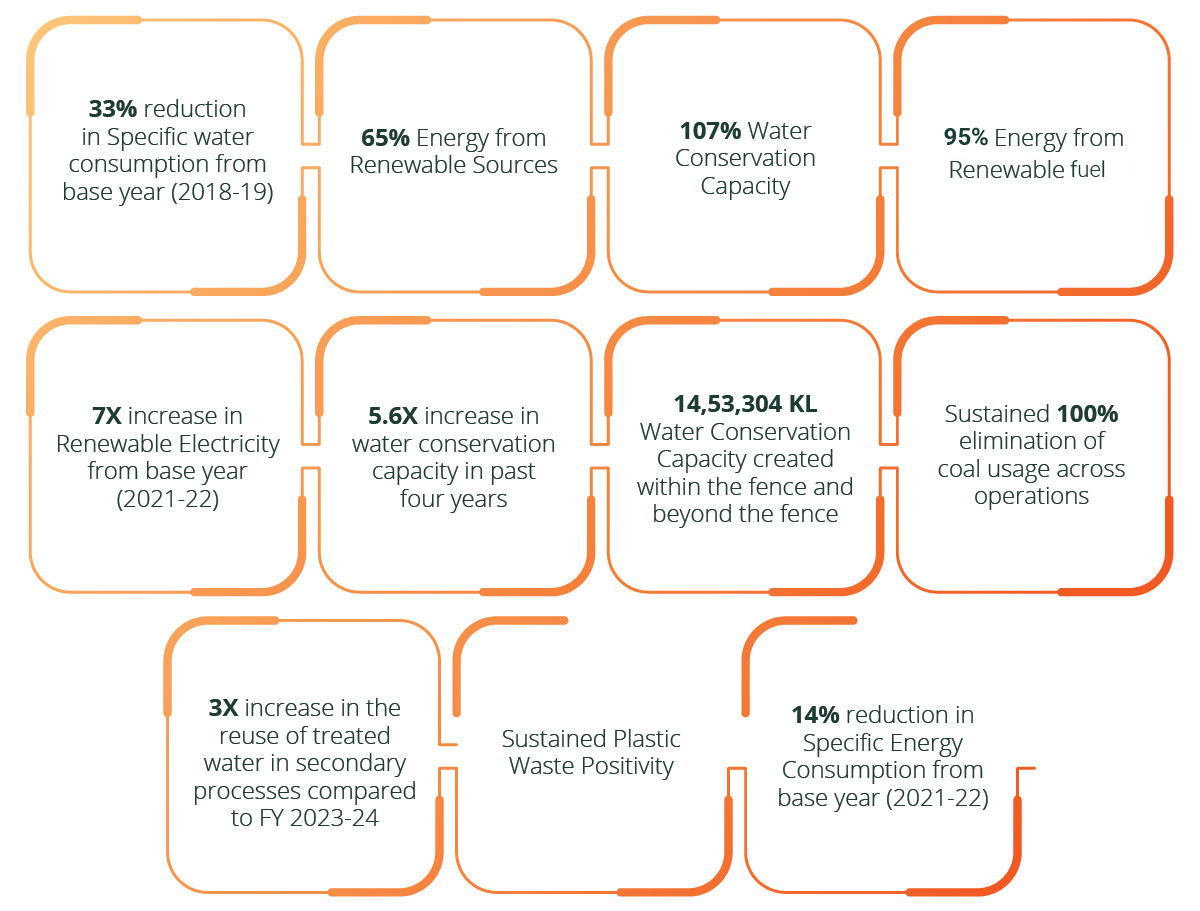
Performance Highlights
Dabur recognizes water as a critical and finite natural resource and places responsible water stewardship at the core of its Environmental, Social and Governance (ESG) commitments. The Company has adopted a comprehensive and integrated approach to sustainable water management across its operations and value chain.
Water consumption is systematically monitored across all operational touchpoints, including manufacturing facilities as well as non-production locations such as offices, warehouses, nurseries and employee dormitories. This enterprise-wide monitoring enables a holistic understanding of water use, helping identify efficiency opportunities, mitigate water-related risks and continuously improve water performance.
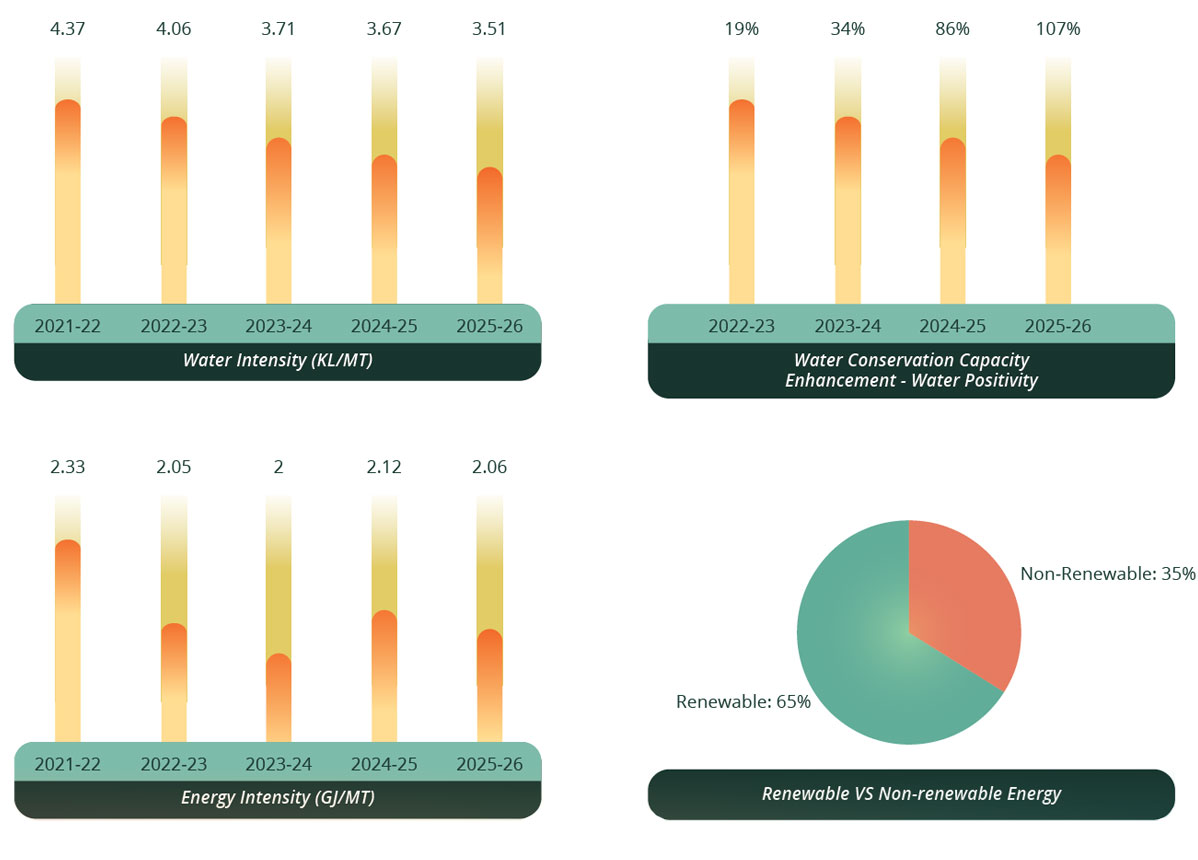
Through sustained interventions and process optimization, Dabur has achieved a reduction of over 30% in water intensity across its India operations over the past seven years, despite maintaining a significant beverage portfolio. Notably, this milestone was achieved one year ahead of the publicly committed timeline, demonstrating strong execution discipline and transparency.
In line with its ambition to become water positive by 2030, Dabur has intensified actions both within operational boundaries and beyond, through community-based water stewardship initiatives. By integrating in-house water efficiency measures with external water conservation and recharge projects, the Company has already created water conservation and recharge capacity equivalent to approximately 107% water positivity. This represents a six-fold improvement over the past four years, enabling Dabur to achieve water positivity four years ahead of its 2030 target.
Through these efforts, Dabur continues to strengthen long-term water resilience, enhance community water security and reaffirm its leadership in sustainable resource management.

Dabur is committed to conserving water through the implementation of the 3R principle – Reduce, Reuse and Recycle. Across manufacturing units, continuous efforts are made to minimise raw water withdrawal while maximising the reuse of treated and recycled water.
Key initiatives include:
- 3X increase in the reuse of treated water in secondary processes compared to FY 2023-24
- Installation of multi-stage Reverse Osmosis (RO) systems with recovery rates exceeding 90%, significantly higher than conventional RO systems (~70%), leading to reduced raw water consumption
- Deployment of Ultra-Filtration (UF) and RO systems for recycling Effluent Treatment Plant (ETP) treated water into secondary applications
- Utilization of RO reject water in secondary processes to minimise freshwater extraction
- Reuse of vacuum pump discharge water from contra mixers in cooling towers, reducing water wastage
- Installation of water-efficient fixtures, including aerated taps, dual-flush toilets and water-less urinals
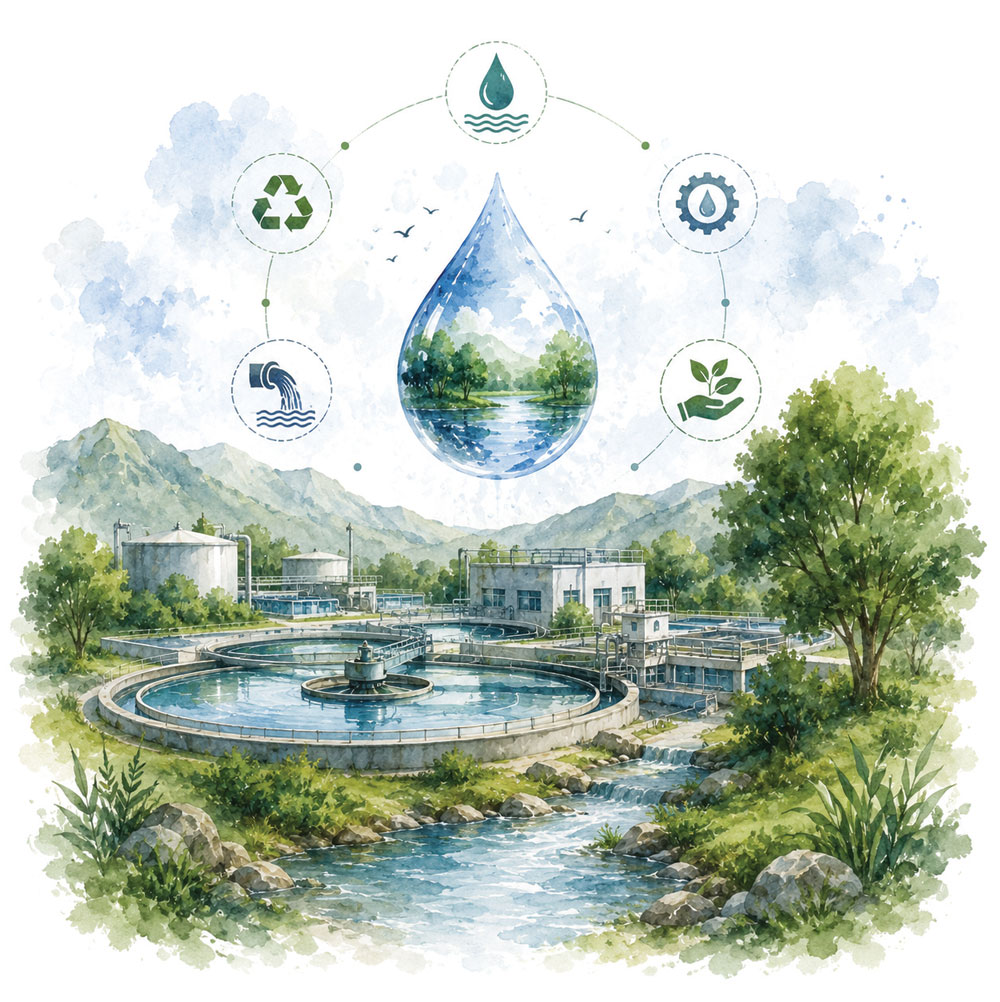
- Implementation of rainwater harvesting systems for groundwater recharge or secondary usage, depending on site-specific conditions
- Installation of steam condensate recovery systems
- Deployment of digital flow meters for realtime monitoring and effective management of water utilization
Dabur conducted a comprehensive water risk assessment covering 100% of its manufacturing operations, reflecting its proactive approach to responsible water stewardship. The assessment was carried out using the WRI Aqueduct tool, supplemented with parameters defined by the Central Ground Water Board (CGWB), Government of India, ensuring alignment with global best practices and local regulatory frameworks.
The physical risk assessment evaluated multiple parameters, including water stress and depletion, seasonal and inter-annual variability, drought probability and flood risk. This holistic evaluation established a robust baseline for understanding current and emerging water-related risks across the Company’s operational footprint.
To further strengthen climate resilience, Dabur conducted forward-looking scenario analyses for the years 2030 and 2050 under three climate pathways:
Pessimistic scenario (SSP5 – RCP8.5): High emissions with projected temperature increases of 3.3°C to 5.7°C by 2100
Business-as-usual scenario (SSP3 – RCP7.0): Moderate mitigation with temperature increases of 2.8°C to 4.6°C
Optimistic scenario (SSP1 – RCP2.6): Strong climate action limiting temperature rise to 1.3°C to 2.4°C. Insights from these scenario analyses enable Dabur to anticipate future water availability challenges, assess potential operational impacts and integrate climate resilience into strategic planning. The findings are actively used to inform risk mitigation strategies, water conservation initiatives and long-term sustainability planning, reinforcing Dabur’s commitment to responsible resource management and climate adaptation.
Sustainability is deeply integrated into Dabur’s sourcing strategy, shaping how we engage with our value chain and make procurement decisions. Our approach is centered on cultivating long-term partnerships that are grounded in ethical conduct, transparency, and mutual accountability.
We embed responsible sourcing principles across all procurement processes to ensure adherence to fair labour practices, environmental stewardship, and robust governance standards. These commitments are articulated through our Supplier Code of Conduct (SCoC), which establishes clear expectations for suppliers and serves as a guiding framework for responsible business conduct across our extended value chain.
By institutionalising these principles, we aim to drive consistency, strengthen supplier relationships, and create a sourcing ecosystem that supports sustainable and inclusive growth.
Our procurement basket encompasses a broad spectrum of raw and packaging materials that support our diverse product portfolio. Key raw materials include honey, amla, sugar and jaggery, vegetable oils, fruit pulps and concentrates, maizebased derivatives such as sorbitol and dextrose monohydrate, aromatic essential oils, psyllium husk, spices, medicinal herbs, and precious metals like gold and silver.
In parallel, our packaging requirements are equally varied, spanning paper-based solutions such as mono-cartons and corrugated boxes, polymerbased formats including PET, HDPE, and PP, as well as flexible and rigid formats like laminates, labels, sleeves, glass containers, and metal caps and closures.
Our sourcing strategy is centred around three core pillars: cost efficiency, material availability, and sustainability.
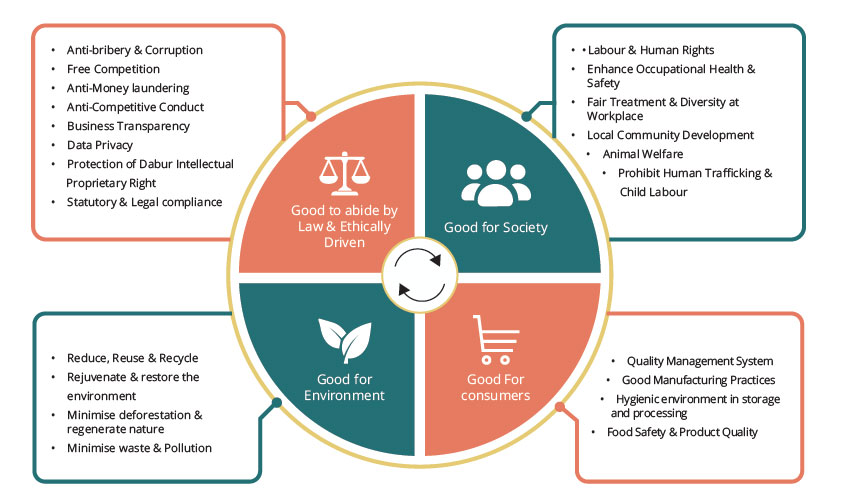
Dabur’s Core Principles
Our procurement approach is closely aligned with our responsible sourcing policy and overarching ESG commitments, ensuring that sustainability is embedded across all sourcing decisions. We are guided by four key pillars – Social Responsibility, Environmental Stewardship, Consumer Well-Being, and Regulatory Compliance – which collectively shape a balanced and responsible procurement framework. To reinforce this approach, we undertake risk assessments across critical material categories, integrating sustainability considerations into decision-making processes.
In FY 2025-26, we made significant progress in advancing sustainable sourcing, achieving a 98.23% sourcing rate for materials associated with high deforestation risk, including beverage cartons, paper, and palm oil.
This milestone underscores our continued focus on strengthening responsible sourcing practices and progressing toward our long-term sustainability goals.
As part of our biodiversity and sourcing strategy, we have achieved 100% mitigation of risks associated with critically endangered herbs such as Gugal and Aconite in FY 2025-26.
Key Highlights of Our Sourcing Practices
During the year, Dabur continued to strengthen its responsible sourcing framework through focused initiatives and measurable progress across the value chain. The key developments are outlined below:
- The composition of our value chain partners, by business value, was led by raw and packaging material vendors at 77%, followed by contract manufacturers at 19%, with the remaining share comprising other service providers.
- Purchases through trading houses represented 15.65% of the overall procurement value.
- Sustainable material use continued to gain momentum, with about 20% of the packaging materials consumed sourced from recycled or reused inputs. In addition, juice laminates and 25% of mono-cartons (by value) were fully procured from FSC-certified suppliers.
- Supplier capability building remained a priority, with eight training sessions conducted during the year, covering 66% of value chain partners by business value. These sessions focused on critical areas such as the Supplier Code of Conduct, greenhouse gas emissions and accounting, human rights, NGRBC principles and emerging labour laws, occupational health and safety, and ESG awareness tailored for MSME suppliers.
- We expanded our due diligence efforts, completing assessments for 77.5% of value chain partners. These evaluations covered key aspects including health and safety practices, working conditions, workplace discrimination and harassment, child and forced labour, wages, and environmental impact.
- Our sourcing strategy continued to support inclusive growth, with 35% of total procurement directed toward MSMEs and small-scale producers.
- Domestic procurement remained a cornerstone of our sourcing model, accounting for 99.5% of total purchases by value.
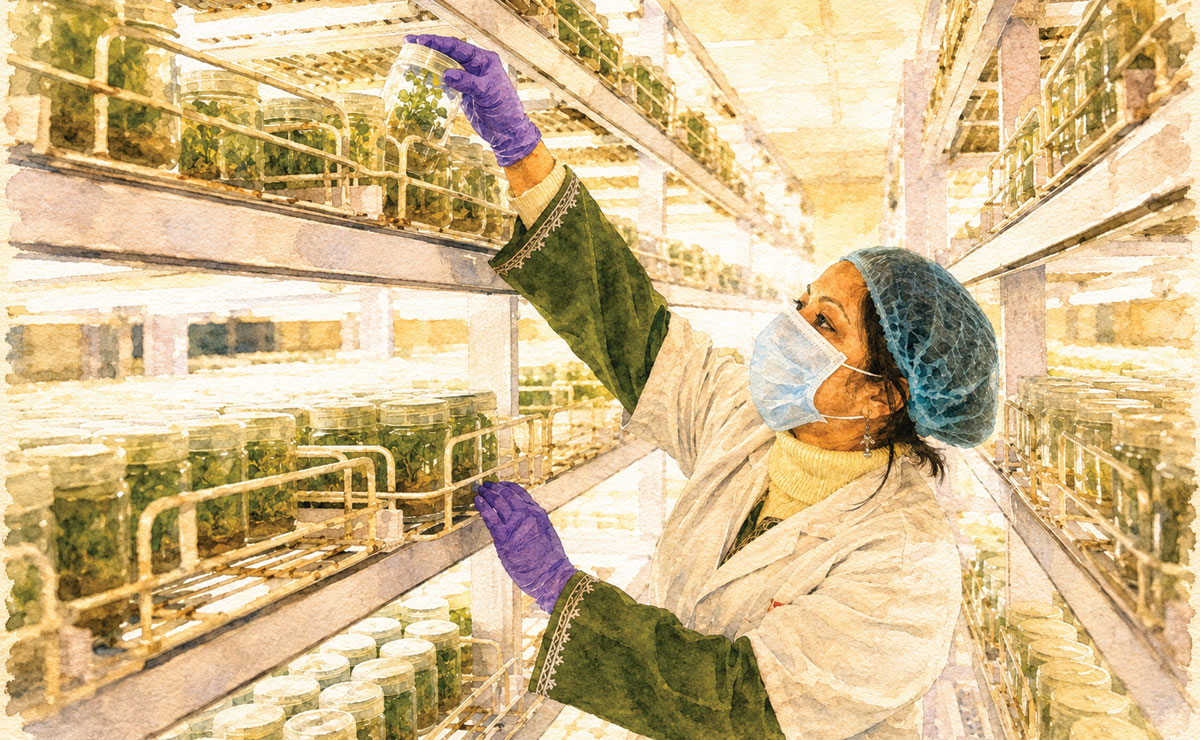
- Sustainable sourcing accounted for 31.01% of total procurement, driven by the use of recycled materials, FSC-certified inputs, and bio-resource development initiatives.
- Our inclusive sourcing initiatives enabled 6.4% of raw material procurement from marginalized and vulnerable communities, including honey from migrant beekeepers, green amla from smallholder farmers, and Keshar sourced from the high-altitude regions of Kashmir.
Through these initiatives, Dabur continued to reinforce sustainability within its sourcing ecosystem, advancing responsible value chains while contributing to broader environmental stewardship and social inclusion objectives.
Dabur recognizes the growing environmental, social and public health challenges posed by plastic waste and considers responsible plastic management a key pillar of its sustainability strategy. In response, the Company has adopted a robust Extended Producer Responsibility (EPR) framework, reflecting its long-standing commitment to reducing plastic pollution, promoting circularity, and aligning with national waste management priorities.
Demonstrating leadership in sustainable waste management, Dabur has established a nationwide EPR implementation model that ensures environmentally sound management of post-consumer plastic waste across its product portfolio and geographical footprint. This model is designed not only to meet regulatory requirements but also to drive systemic change across the value chain.
Dabur’s EPR journey began as early as 2016, when the Company partnered with authorized and competent waste management organizations. These partnerships enabled comprehensive plastic waste mapping, baseline assessments and traceability analyses to understand material flows and ensure transparent, accountable waste collection and processing mechanisms. This structured and data-driven approach ensures responsible collection, recycling and recovery of post-consumer plastic waste across regions.
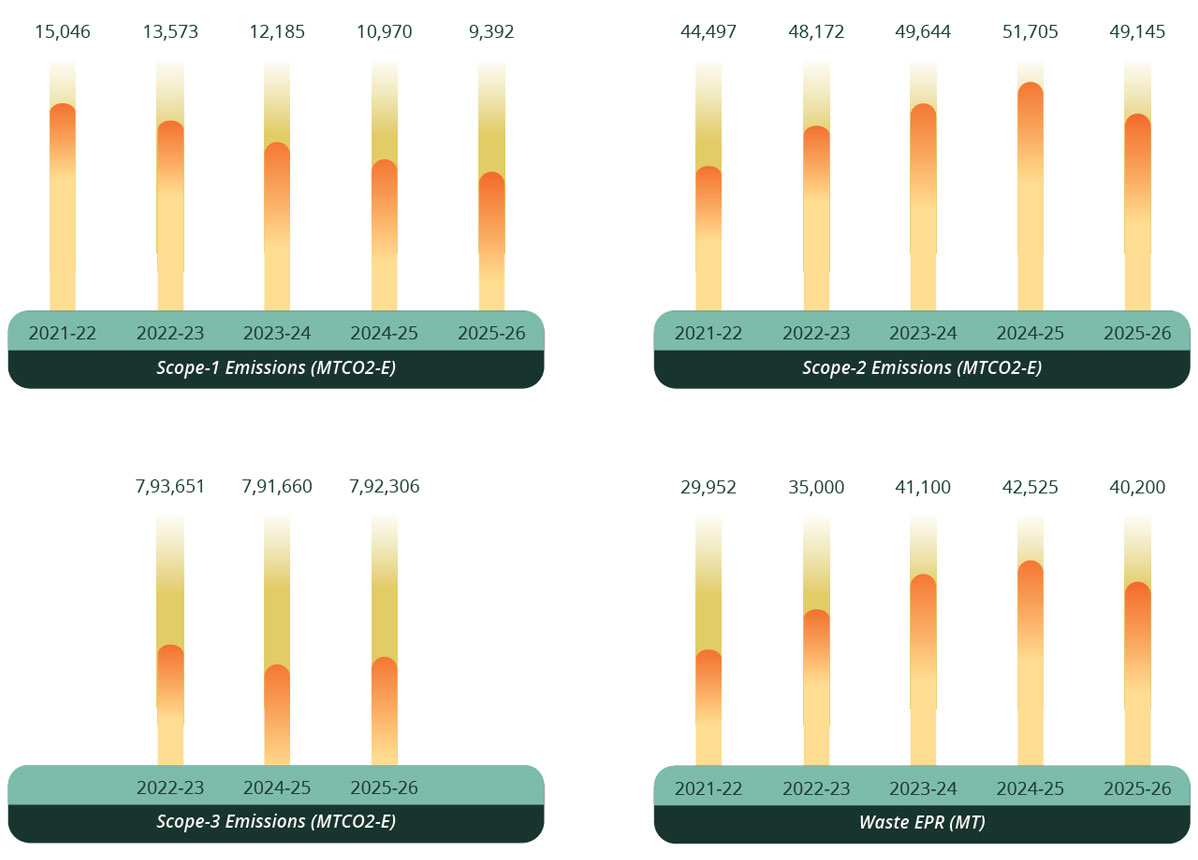
During FY 2025-26, Dabur successfully recycled more than 70% of its post-consumer plastic waste through authorized recyclers. The remaining approximately 30% was responsibly managed through alternative recovery pathways, including waste-to-energy facilities and co-processing in cement kilns, ensuring zero plastic leakage into the environment. These practices reflect Dabur’s commitment to high environmental integrity and compliance with prescribed EPR norms.
Going beyond statutory obligations, Dabur has sustained its Plastic Positivity commitment, maintaining performance levels that exceed regulatory requirements. The Company takes pride in being the first Indian FMCG company to achieve plastic waste neutrality, and subsequently the first to become plastic waste positive, thereby setting new benchmarks for the industry and reinforcing its role as a sustainability frontrunner.
In addition to operational execution, Dabur actively participates in industry platforms, policy discussions and sustainability forums related to plastic waste management, EPR implementation and circular economy transitions. Through these engagements, the Company contributes to knowledge sharing, policy advocacy and collaboration with stakeholders, including government bodies, industry associations and implementation partners.
Through its comprehensive EPR framework and sustained commitment to plastic neutrality and positivity, Dabur continues to demonstrate thought leadership, drive sector-wide transformation and promote responsible plastic waste management practices, contributing meaningfully to environmental protection and national sustainability goals.
We believe that community-led initiatives bring Plastic Waste Management (PWM) to life by turning citizens into active change-makers. They drive real behavioural shifts through ownership, enable practical local solutions, and amplify impact through collective action, resulting in cleaner communities, higher recycling rates, and more sustainable habits that last. Some of our key community-led PWM initiatives include:
My 10 Kg Plastic: Driving Behavioural Change Through Community-Led Action
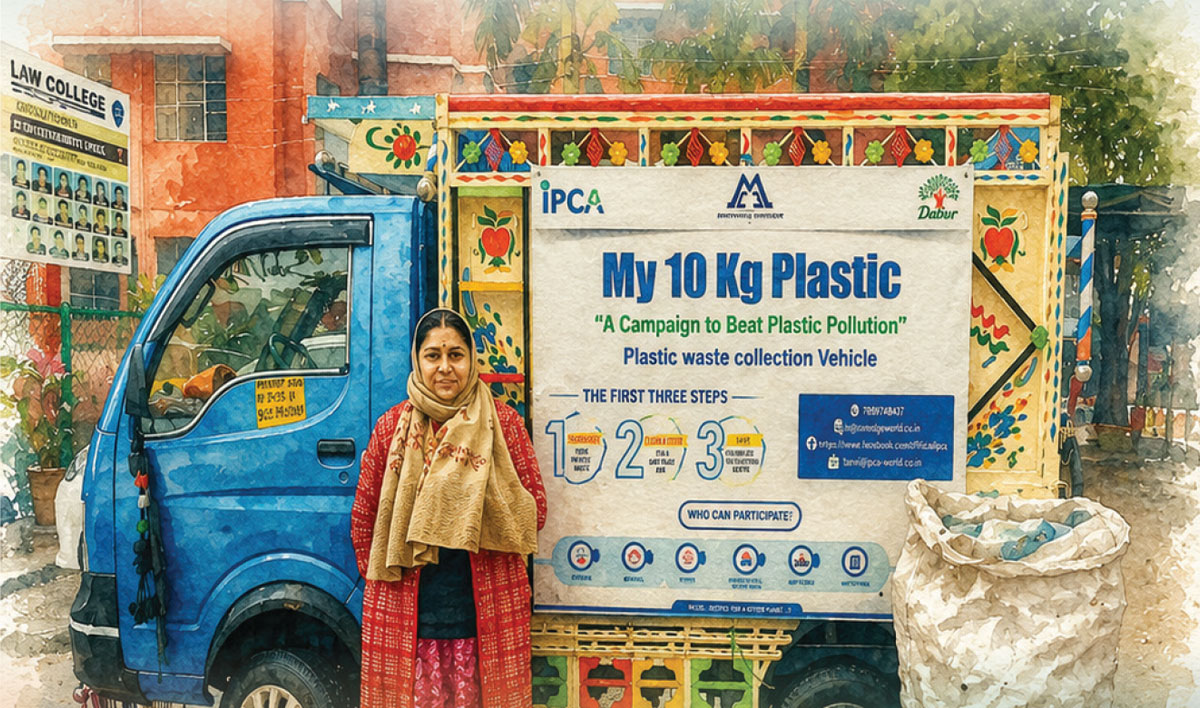
Going well beyond regulatory compliance, Dabur is playing a catalytic role in shaping communitydriven solutions for plastic waste management. At the heart of this approach is our “My 10 Kg Plastic” programme, a flagship movement that is steadily transforming how communities engage with waste. Rolled out across 13 districts in Delhi-NCR and Jammu, the programme encourages households to take ownership of plastic disposal, building a culture of responsible consumption at the grassroots.
Run in collaboration with the Indian Pollution Control Association (IPCA), the programme’s simple yet powerful premise -- encouraging every individual to contribute at least 10 kg of plastic waste annually -- has resonated widely. During the year, it enabled the collection of 1,13,753 kg of plastic waste, all of which was responsibly channelled for recycling and further processing. With this, the initiative has crossed a significant milestone of 300,000 kg of plastic waste collected since inception, underscoring the power of collective action.
To make participation seamless, Dabur strengthened on-ground infrastructure by installing dedicated plastic waste collection bins across key locations in Delhi-NCR and Jammu, while also enabling door-todoor collection services in Delhi and Jammu. With structured daily pick-up schedules, the initiative has embedded convenience into sustainable behaviour.
The programme’s reach and engagement:
- Weekly Collection of plastic waste from 310+ Housing Societies in Delhi-NCR and Jammu
- Monthly Average Collection of over 9,479 kg plastic waste
- Yearly Collection of 1,13,753 kg plastic waste
- 70,000+ individuals actively engaged
- 1,400+ households part of the campaign
Beyond volumes collected, the greater success of My 10 Kg Plastic lies in the behavioural shift it is driving, encouraging segregation at source, improving awareness, and making sustainability a part of everyday life.
Asha Ki Kiran: Creating Pathways to Learning, Dignity and Opportunity
Access to education remains one of the most critical levers for breaking the cycle of poverty. Yet for children from waste-picker communities, it often remains out of reach. Through Asha Ki Kiran, we are working to change this reality by creating structured, supportive pathways that bring these children closer to mainstream education and a more secure future.
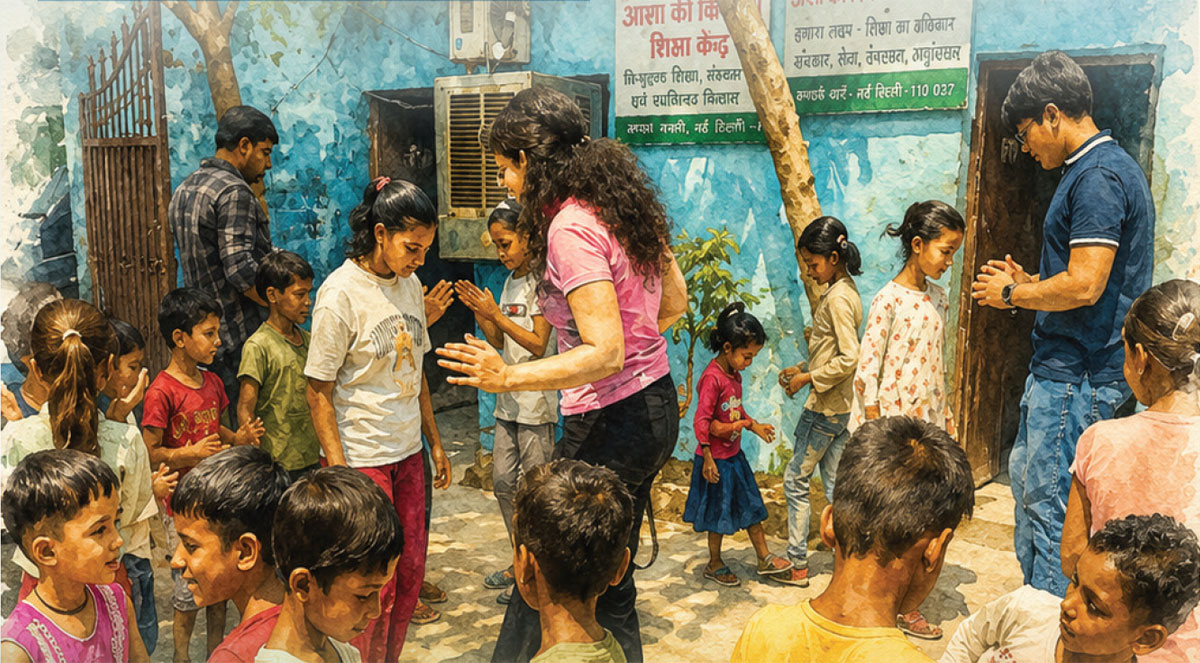
Implemented in partnership with Bal Vikas Dhara, the initiative operates Non-Formal and Remedial Education Centres designed specifically for children of waste collectors, many of whom have either never attended school or have dropped out early due to socio-economic constraints. Focused on children aged 5 to 12 years, the programme bridges foundational learning gaps and prepares them for integration into formal schooling systems.
Today, over 150 children are enrolled across these centres, where learning goes beyond textbooks. Structured academic support helps children build proficiency in key subjects, while dedicated examination preparation sessions equip them with the confidence to transition into formal classrooms. Alongside academics, equal emphasis is placed on physical, emotional and creative development, ensuring a more holistic learning experience.
Regular health monitoring, including tracking of height and weight, helps ensure that children’s nutritional needs are being addressed, recognising that well-being is fundamental to sustained learning. Sports and group activities such as Kho-Kho, Kabaddi, football and races foster teamwork, discipline and self-belief, while creative platforms like drawing sessions encourage self-expression and imagination.
To further strengthen the learning environment, Dabur has supported infrastructure enhancement through the donation of desk-benches at the Non-Formal and Remedial Education Centres in Rangpuri Pahari (Delhi) and Ghazipur (Uttar Pradesh). These simple yet meaningful additions have helped create more structured, comfortable classroom settings, improving their posture, classroom engagement and the overall dignity of the learning experience for children.
Asha Ki Kiran is not just an education intervention, it is an effort to restore confidence, rebuild aspirations and reaffirm dignity among some of the most underserved sections of society. By equipping children with the tools to learn, grow and aspire, the initiative is helping lay the foundation for long-term social mobility and inclusive growth.
Dabur remains firmly committed to Growing Sustainably by embedding sustainability principles into its core business strategy and decisionmaking processes. A significant portion of the product portfolio has undergone comprehensive cradle-to-grave Life Cycle Assessments (LCA), covering key stages from raw material sourcing and manufacturing to distribution, consumer use, and end-of-life management. These assessments now encompass products representing 79% of total revenue, including key offerings from domestic and international business operations.
The insights derived from these LCAs enable Dabur to identify environmental hotspots, optimize resource efficiency, and reduce emissions across the value chain. This science driven approach supports the implementation of targeted sustainability initiatives and strengthens alignment with the Science Based Targets initiative (SBTi), reinforcing Dabur’s long-term commitment to achieving Net Zero Emissions while creating sustainable value for all stakeholders.
All Dabur manufacturing facilities in India operate in full compliance with applicable environmental and occupational regulations and are supported by globally recognized management system certifications, including:
- ISO 14001 for Environmental Management
- ISO 45001 for Occupational Health and Safety
- ISO 9001 for Quality Management
These certifications represent more than regulatory adherence; they reflect our unwavering commitment to operational excellence, employee well-being, product quality, and environmental stewardship. They also provide a structured framework for continuous improvement, risk mitigation, and performance enhancement across our operations.
The progress we have made this year gives us confidence, but also raises the bar for what comes next.
With several sustainability milestones already achieved or ahead of trajectory — including water and plastic waste positivity, renewable energy adoption, and farmer outreach — our focus now shifts from progress to scale and depth.
Going forward, we will accelerate climate action through supply chain decarbonisation, expand renewable energy adoption, and drive material efficiency across operations. Circularity will remain central, with continued reduction in virgin plastic, increased recyclability, and responsible packaging innovation.
We will further strengthen sustainable sourcing and biodiversity conservation, while scaling farmer engagement and community impact. At the same time, we remain committed to maintaining the highest standards of safety, quality, and responsible operations.
Our focus goes beyond meeting the Net Zero 2045 ambition, we are working to exceed it by building a resilient, future-ready energy architecture that spans our end-to-end value chain and partner ecosystem, aligned with evolving global climate priorities.
Our ambition is clear: to build a resilient, low-impact, and future-ready Natural Capital framework that supports both environmental regeneration and long-term business value.
 Annual Report 2025-26